WHAT YOU ARE LOOKING FOR IS IN THE LIBRARY
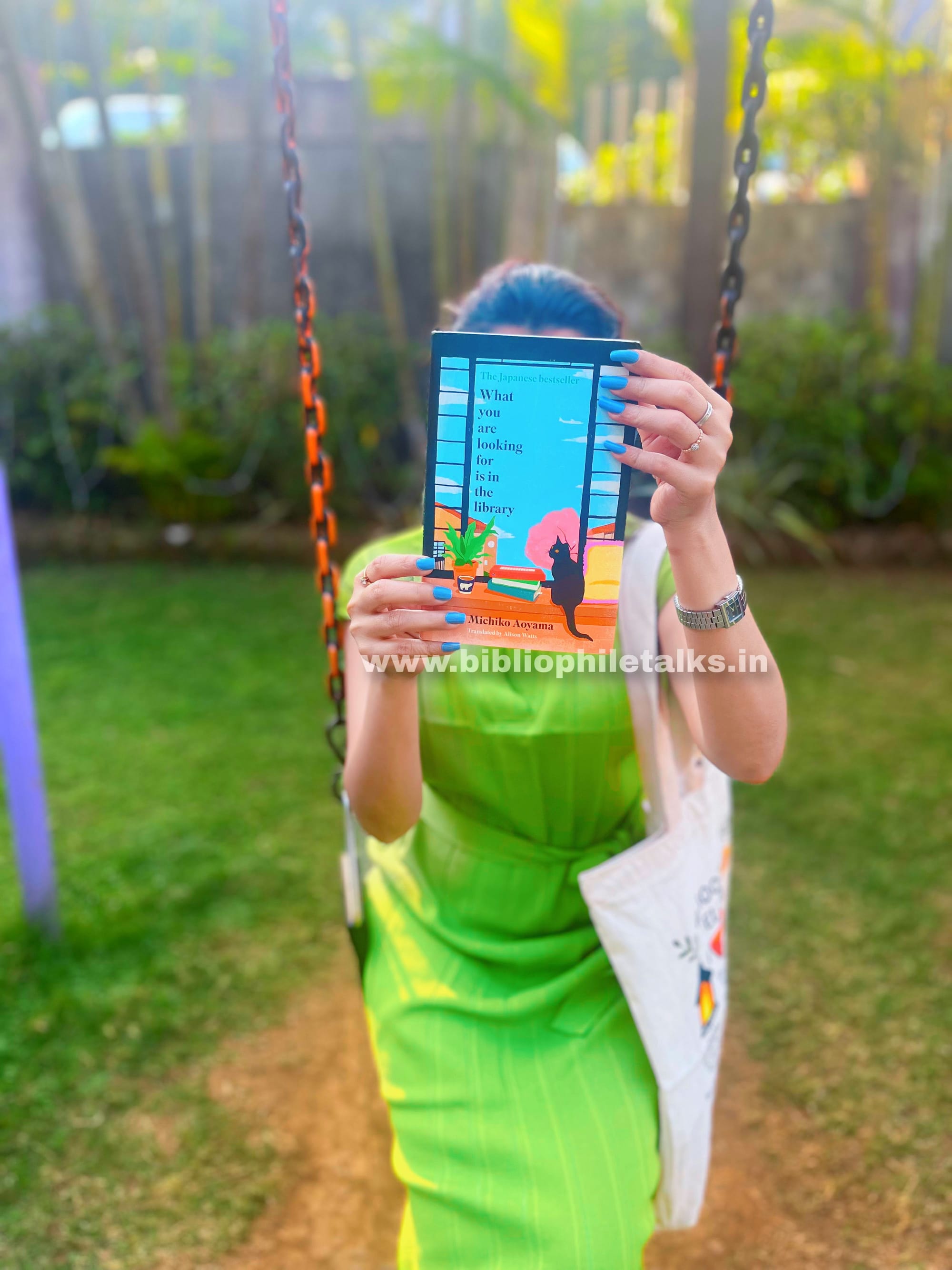
𝗪𝗵𝗮𝘁 𝗬𝗼𝘂 𝗔𝗿𝗲 𝗟𝗼𝗼𝗸𝗶𝗻𝗴 𝗙𝗼𝗿 𝗜𝘀 𝗜𝗻 𝗧𝗵𝗲 𝗟𝗶𝗯𝗿𝗮𝗿𝘆
𝗕𝘆 𝗠𝗶𝗰𝗵𝗶𝗸𝗼 𝗔𝗼𝘆𝗮𝗺𝗮
𝗣𝘂𝗯𝗹𝗶𝘀𝗵𝗲𝗿: 𝗗𝗼𝘂𝗯𝗹𝗲𝗱𝗮𝘆
𝗣𝗮𝗽𝗲𝗿𝗯𝗮𝗰𝗸: 𝟐𝟓𝟔
𝗣𝘂𝗯𝗹𝗶𝘀𝗵𝗲𝗱: 𝟏𝟎𝐭𝐡 𝗔𝘂𝗴𝘂𝘀𝘁 𝟐𝟎𝟐𝟑
𝗚𝗲𝗻𝗿𝗲: 𝗦𝗹𝗶𝗰𝗲 𝗢𝗳 𝗟𝗶𝗳𝗲
𝗝𝗮𝗽𝗮𝗻𝗲𝘀𝗲 𝗪𝗿𝗶𝘁𝗶𝗻𝗴
𝗥𝗲𝗮𝗱𝗶𝗻𝗴 𝗬𝗲𝗮𝗿: 𝟐𝟎𝟐𝟔
What You Are Looking For Is in the Library by Michiko Aoyama follows five individuals who stand at quiet crossroads in their lives — each searching for direction, purpose, or simply reassurance that they still matter.
A twenty-one-year-old sales assistant questions the value of her work and her place in it. A thirty-five-year-old accountant feels confined by stability, secretly yearning to turn his love for antiques into a profession. A thirty-year-old aspiring illustrator struggles with unrealised dreams. A forty-year-old former magazine editor, now balancing motherhood and a less demanding role, faces shifting identity and ambition. A recent retiree battles a lingering question many fear: after a lifetime of work, what remains?
What connects them all is not circumstance, but vulnerability — that quiet, persistent self-doubt that often accompanies adulthood. Enter Ms Komachi, the enigmatic librarian whose carefully chosen book recommendations gently nudge each of them toward clarity. Her interventions are subtle yet transformative, proving that sometimes the right sentence at the right time can recalibrate an entire perspective. There was something deeply comforting about reading these stories. The dissatisfaction with careers, the compromise between passion and practicality, the identity shifts brought on by motherhood, the invisibility that can shadow retirement — these are not dramatic crises, but everyday realities. They are reflections of people we encounter daily, perhaps even reflections of ourselves.
The novel is written in accessible language, and the translation flows smoothly. As a slice-of-life narrative, it unfolds at an unhurried pace. The interconnected structure is thoughtfully done — characters who lead one story quietly reappear in another, creating a subtle narrative web that adds cohesion.While the premise is compelling—a librarian with an uncanny knack for recommending the perfect book—the execution did not resonate with me as I had hoped. Some stories felt emotionally restrained, almost flat, and left me wishing for deeper immersion. At times, the pacing felt repetitive, especially with repeated descriptions of the community centre and the librarian. The frequent focus on Ms Komachi’s appearance, revisited in each story, felt excessive and somewhat distracting from her symbolic role. Though at times tempted to skim, the concept's originality kept me engaged.I also found myself wishing for a final chapter devoted to Ms Komachi. She remains an almost mythic figure behind the reference desk — larger than life in presence, yet personally distant. A glimpse into her interior world would have added beautiful symmetry to a book so invested in the inner lives of others.
Despite these reservations, I cannot dismiss the warmth this book offers. The central idea — that a book, a paragraph, even a single line can gently shift our understanding of our own struggles — is powerful and tender. While it may not have held me with the emotional intensity of Before the Coffee Gets Cold by Toshikazu Kawaguchi or The Kamogawa Food Detectives by Hisashi Kashiwai, it still carries the quiet charm characteristic of reflective Japanese fiction.
I was torn between 3 and 4 stars, ultimately settling on 3.5 stars. The premise is beautiful, the intention sincere, and several stories genuinely moving — even if the overall experience felt softer than I had hoped.
Would I recommend it? Yes.If you are looking for a soothing, contemplative read — something that mirrors everyday struggles and gently reminds you that perspective can change everything — this book may find its way to you at the right time.
Read it for its quiet wisdom. Read it for its gentle reassurance. And perhaps, like the characters within it, you might find exactly what you were looking for — tucked between the pages of a book.
My Rating: 3.5/5
NOTE: In this blog, the CONTENT and PICTURES are owned by Samayra Singh and cannot be used or distributed without permission. Strict legal action will be taken against any infringement.