NOTHING LIKE THE MOVIES
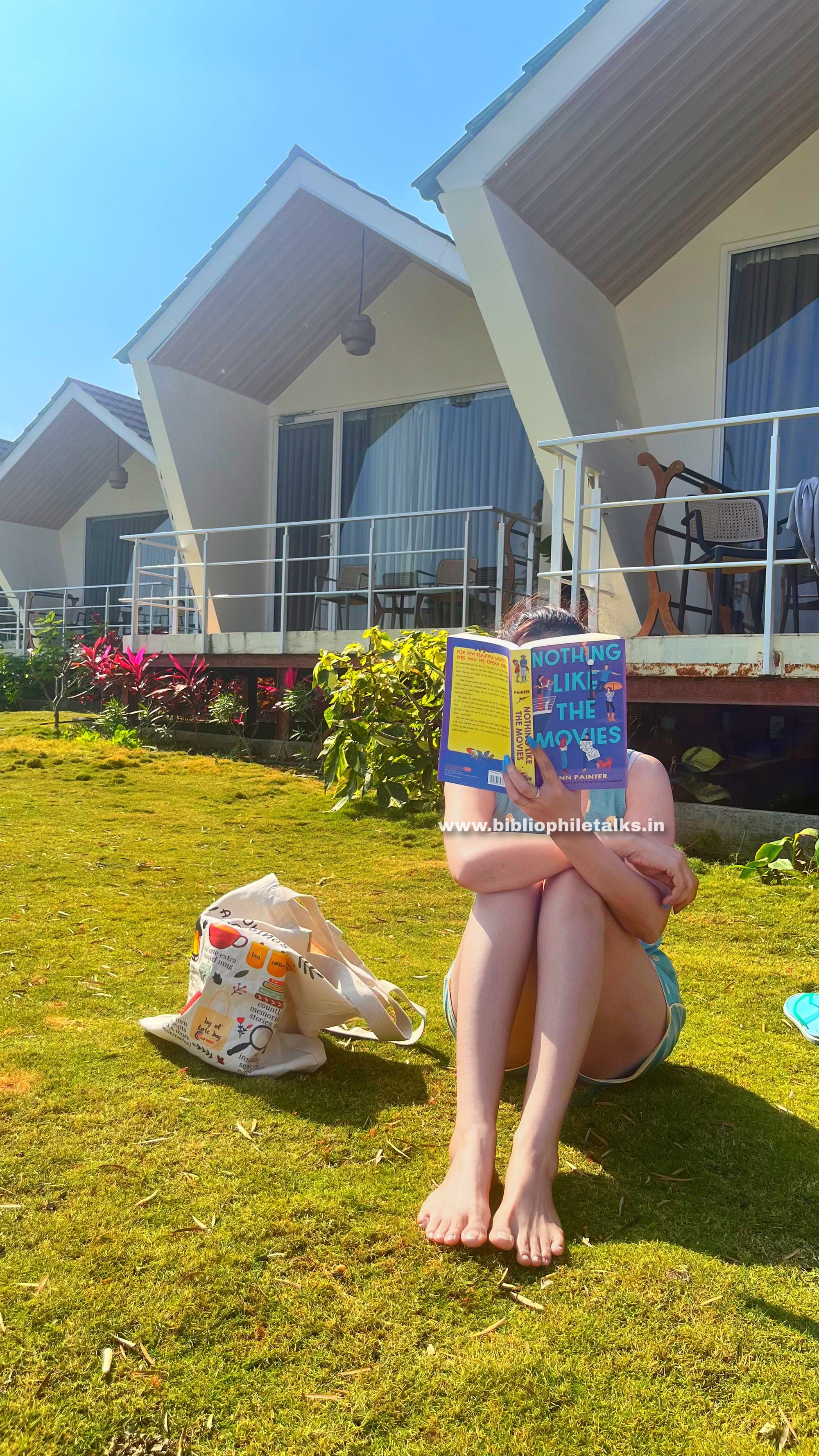
𝗡𝗼𝘁𝗵𝗶𝗻𝗴 𝗞𝗶𝗸𝗲 𝗧𝗵𝗲 𝗠𝗼𝘃𝗶𝗲𝘀
𝗕𝘆 𝗟𝘆𝗻𝗻 𝗣𝗮𝗶𝗻𝘁𝗲𝗿
𝗣𝘂𝗯𝗹𝗶𝘀𝗵𝗲𝗿: 𝗦𝗶𝗺𝗼𝗻 & 𝗦𝗰𝗵𝘂𝘀𝘁𝗲𝗿
𝗣𝗮𝗽𝗲𝗿𝗯𝗮𝗰𝗸: 𝟒𝟒𝟖
𝗣𝘂𝗯𝗹𝗶𝘀𝗵𝗲𝗱: 𝟏𝘀𝐭 𝗢𝗰𝘁𝗼𝗯𝗲𝗿 𝟐𝟎𝟐𝟒
𝗚𝗲𝗻𝗿𝗲: 𝐂𝐨𝐧𝐭𝐞𝐦𝐩𝐨𝐫𝐚𝐫𝐲 𝗥𝗼𝗺𝗮𝗻𝗰𝗲
𝗙𝗼𝗿𝗲𝗶𝗴𝗻 𝗪𝗿𝗶𝘁𝗶𝗻𝗴
𝗥𝗲𝗮𝗱𝗶𝗻𝗴 𝗬𝗲𝗮𝗿: 𝟐𝟎𝟐𝟔
As we already know, Nothing Like the Movies by Lynn Painter serves as the sequel to Better Than the Movies. We reunite with familiar faces beyond Liz and Wes, along with a few new characters, as the story transitions into their college years. Where the first novel concluded on a satisfying, heartfelt note—with Liz and Wes finally choosing each other—this instalment opens with their breakup. The narrative then moves between past and present, explaining what went wrong and how Wes hopes to win Liz back.
Honestly, I felt this sequel was unnecessary. The first book had wrapped up beautifully. It delivered closure, emotional payoff, and a well-earned romantic resolution. In my view, the story of Liz and Wes did not require further complication. If a continuation was essential, perhaps it might have worked better with different leads—either entirely new characters or even someone like Noah from the earlier narrative. At the end of Better Than the Movies, they were happy. Wes had finally won the girl he had loved for years, and Liz had realised her feelings in a way that felt complete. Revisiting them only to dismantle that resolution felt excessive.
What significantly affected my rating was the plot's overall direction. The central conflict felt manufactured, adding drama where none was needed. Additionally, I have never fully connected with Liz’s character, and unfortunately, that remained unchanged here. I had hoped that the transition into college would bring noticeable growth or maturity. Instead, her characterisation felt stagnant, with little meaningful development.
Another aspect that didn’t resonate with me was the lack of chemistry and emotional tension between Liz and Wes. Their dynamic felt diminished compared to the spark they shared in high school. At times, it seemed as though they had outgrown each other. Moreover, the repeated reliance on the fake-dating trope—once again placing Wes in the position of watching Liz with another boy (Clark, this time)—felt overused and frustrating. After spending much of the first book watching Liz pursue Michael, revisiting a similar dynamic felt lacking in freshness and emotional impact.
Would I recommend this book? Personally, I would not. I have outlined my reasons throughout this review. However, reading is deeply subjective—if the premise still intrigues you, you may wish to form your own opinion. For transparency, this became a DNF for me. I reached a point where, even with only around 100 pages remaining, I could not bring myself to continue.
As always, this is an honest reflection from Bibliophile Talks—respectful of the author’s effort, yet true to my reading experience.
My Rating: 3/5
NOTE: In this blog, the CONTENT and PICTURES are owned by Samayra Singh and may not be used or distributed without permission. Strict legal action will be taken against any infringement.